Blog
Writing it down changes everything
I’m convinced that most money fights between friends aren’t really about money. They’re about memory.
Think about how a typical one goes. You lent your buddy $200 back in the fall. He paid some of it back. Was it $80? $100? He thinks he sent $120, plus a round of beers that should count for something. You remember $80 and no beers. Neither of you is lying. You’re both remembering in good faith, and your brains are both quietly rounding in your own favor, because that’s what brains do. Now you’re arguing about the past, which is the one argument nobody ever wins.
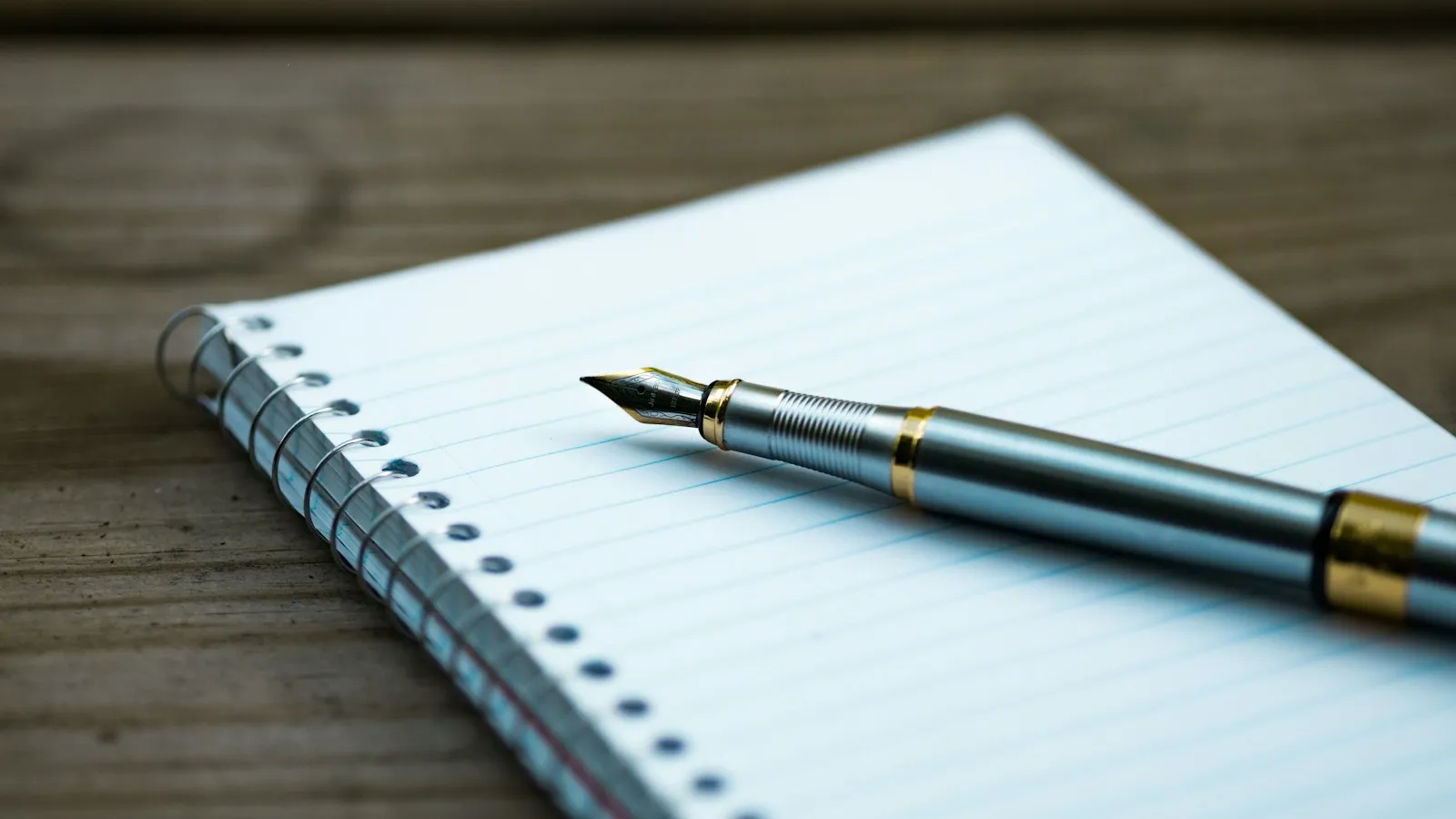
I wrote last week about my grandmother’s green notebook, and I haven’t been able to stop thinking about it. She avoided this whole mess with a pencil. When the numbers live on paper, there’s nothing to argue about. You just look.
The more I pay attention, the more I notice how much anxiety comes from not writing things down, on both sides of a loan. When I’ve lent money without a record, there’s this low hum in the back of my head. Did my coworker ever pay me for those concert tickets? I think so? I’m not sure, and I’m definitely not going to ask, because what if she did and I look like I’m hounding her? So the question just sits there, unanswered, coloring how I feel every time I see her. That’s a silly amount of mental real estate to give to $65.
Borrowing is worse, if anything. A few years ago I owed my friend Grace for a weekend cabin, and I paid her in chunks over a couple of months. Halfway through I genuinely lost track of how much was left. I was too embarrassed to ask her, because “how much do I still owe you?” felt like admitting I wasn’t taking it seriously. So I overpaid by about $40 just to be safe, and she sent it back, and we both felt a bit awkward. One line in a note on my phone would have saved us that weird little moment.
Writing it down doesn’t need to be formal. I’m not talking about contracts or anything with signatures. It can be a text to yourself, or a page in a notebook like my grandmother’s. If you’d rather keep it on your phone, an app like OweMate does this one job well enough: a single running balance for each person, with partial payments logged as they come in, so when someone sends $50 toward a bigger amount you can see exactly what’s still open. The format matters a lot less than actually doing it. My own notebooks tend to end up under a pile of mail, so I’ve stopped pretending paper is my thing.
What writing it down really does, I think, is let you stop being the record-keeper in your own head. Once the number is somewhere reliable, you can relax around the person. You don’t have to remember. You don’t have to wonder. If it comes up, you check, and the conversation is about a fact instead of about whose memory is more trustworthy.
It makes asking easier too, oddly. “Hey, I’ve got you at $120 left from the cabin” is a much gentler sentence than “I think you still owe me some money?” The first one is specific and calm. The second one is vague, and vague sounds suspicious even when you don’t mean it to.
And when it’s finally paid off, there’s a real satisfaction in marking it done. My grandmother had her little checkmarks. It’s the same feeling, roughly like crossing the last thing off a grocery list in the parking lot.
Grace, for the record, still brings up my extra $40 every time we split a check. Every time, I tell her to write it down.
The OweMate blog is written by the people who make OweMate, a simple way to keep track of money between friends and family.