Blog
What my grandmother knew about lending that I forgot
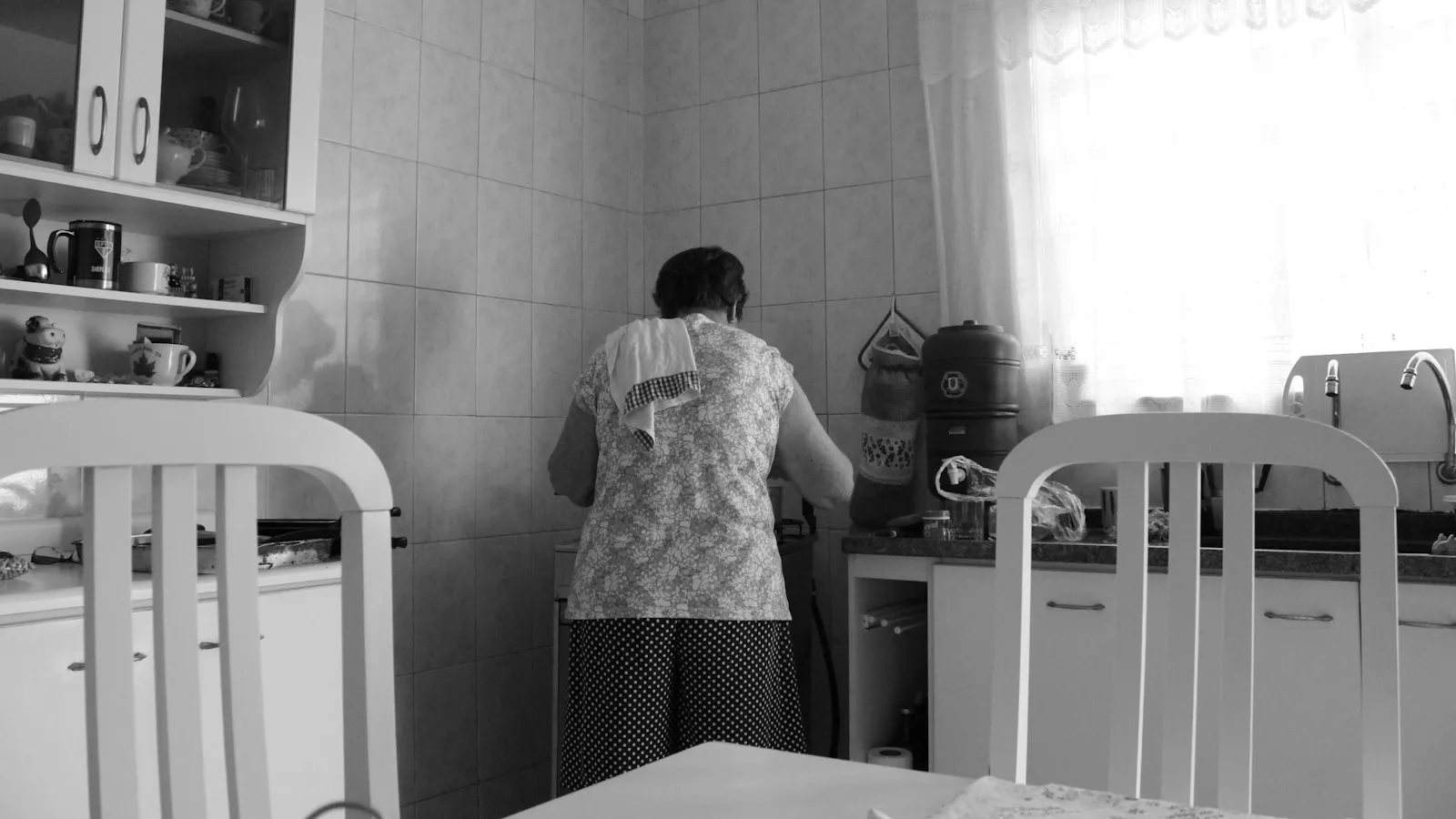
My grandmother kept a little green notebook in the drawer next to her stove, the one with the rubber bands and the batteries nobody ever tested.
I didn’t know what was in it until I was maybe twelve. I’d assumed recipes. It turned out to be a record of every dollar she’d ever lent anyone, going back decades, in her tiny slanted handwriting. Names and amounts, mostly, with a date beside each one. Then, next to most of them, a little checkmark and a second date for when it had been paid back.
She lent money to half the block, as far as I could tell. Mrs. Kowalski down the street, when her husband was out of work. The mailman, one time, for reasons that were never explained to me and which I’ve wondered about for twenty-five years. And through all of it, she stayed close with nearly everybody in that notebook. I can’t say the same for myself, and I’ve been thinking lately about why.
One thing she knew, and that I spent most of my twenties forgetting, was that you only lend what you can afford to lose. She’d say it almost every time money came up, usually while doing something else, like snapping green beans. “Don’t lend the rent money.” To her, a loan was really a gift with a hopeful ending. If it came back, wonderful. If it didn’t, she’d already made peace with that before the money ever left her purse.
I didn’t do that. In my late twenties I lent a friend $900 that I very much needed, because she was in a jam and I couldn’t stand saying no. When it didn’t come back when she’d said it would, I wasn’t just disappointed, I was scared. I had my own bills. The fear turned into anger pretty fast, and the anger leaked into the friendship in ways I’m still a little ashamed of. My grandmother would have looked at that number, looked at my bank account, and either lent me a smaller amount or found some other way to help. I think she understood that a loan you can’t afford to lose puts the whole relationship on the line along with the money.
Then there was the notebook itself. I used to think it was a bit cold, honestly, like she was keeping tabs on her neighbors. I see it so differently now. The notebook meant she never had to wonder. She never had to rely on memory, which gets fuzzy and self-serving in ways we don’t notice. If her nephew Ray swore he’d paid her back in March, she could open the drawer and check, kindly, without any argument. And because she knew exactly where things stood, she didn’t have to carry it around in her head. She could just enjoy Sunday dinner with him.
I think it made her more generous, not less. Since she knew precisely what was out there, she knew precisely what she could still afford to give.
She also kept it friendly, no matter what. She never brought up money in front of other people. If someone was late, she’d mention it once, warmly, usually with food involved. I can still hear her saying something like “Oh, and when you have a chance, the forty from the car, no rush,” while handing someone a plate of pierogi. She never set a date. And somehow, maybe because of that, people paid.
Not every line had a checkmark, though. A handful had a single neat line drawn straight through them instead, with no date at all. When I asked her about those, she said those were the ones she’d decided to let go. Not because she’d given up on the person, but because she’d decided the friendship was worth more than the twenty or fifty dollars, and she wanted it off the books so it wouldn’t sit between them anymore. She drew that line on purpose. I love that. Forgiving a debt was a decision she made and wrote down, not a slow, resentful forgetting.
I wish I’d understood that part sooner. I have a few debts floating around in my own head that I’ve never collected and never really forgiven either. They just sort of hover. She would have picked a side and drawn the line.
I have the notebook now. It’s in my kitchen drawer, next to my own rubber bands and untested batteries. The last entry is from about a year before she passed: my cousin Danny, $60, for a textbook. There’s a checkmark next to it, and in the margin, in that slanted hand, she’d written “good boy.”
The OweMate blog is written by the people who make OweMate, a simple way to keep track of money between friends and family.