Blog
Paying back a friend when money is tight
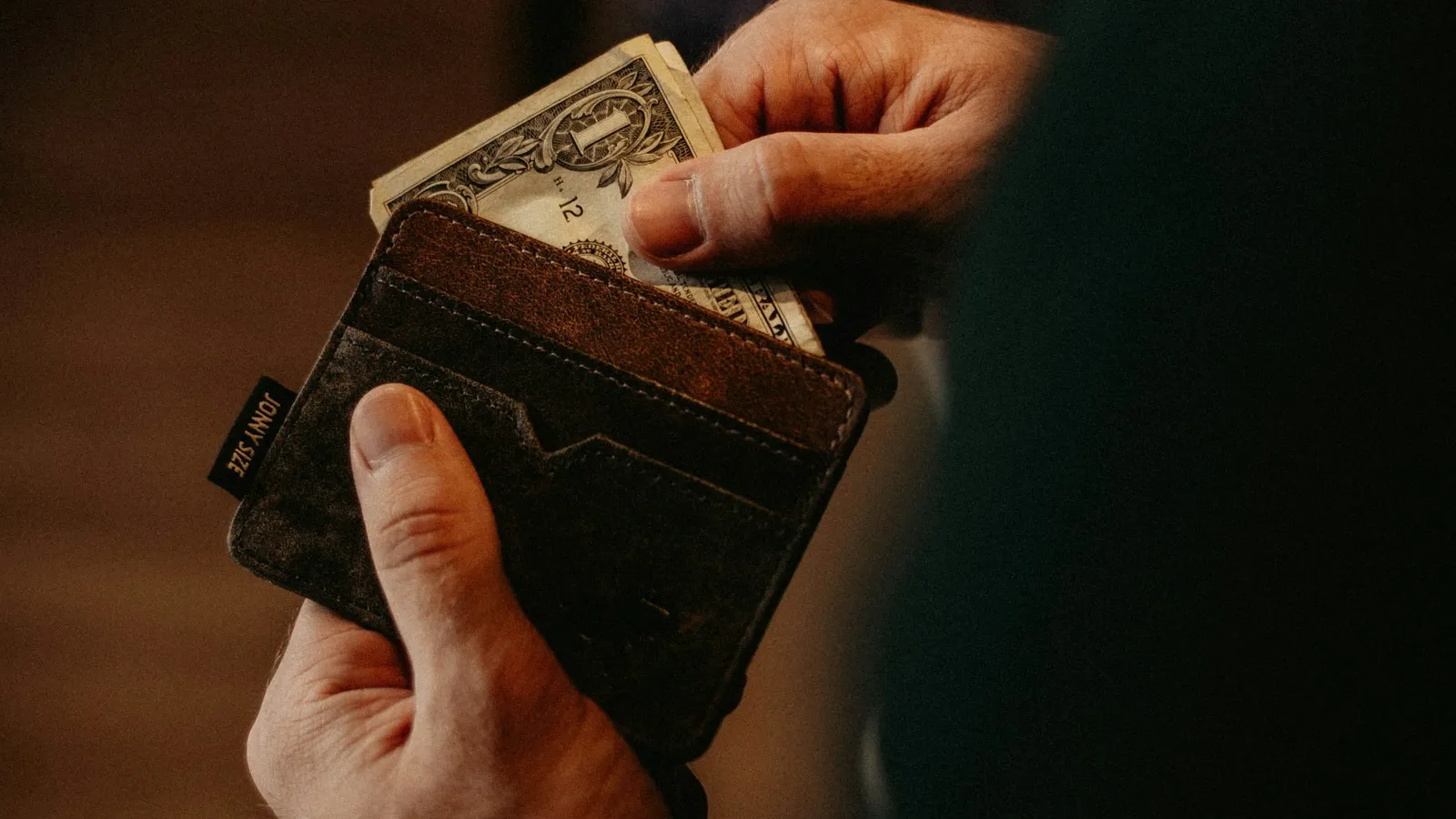
I once let a text from a friend sit unanswered for eleven days because I owed her $400 and didn’t have it.
The text wasn’t even about the money. It was a photo of a dog she’d seen at the park, with a bunch of heart-eye emojis. But every time I opened it, I thought about the $400, and I couldn’t figure out how to reply to a dog photo like a normal person while that hung over me. So I didn’t reply at all. Which, looking back, was about the worst possible choice I could have made.
I’ve spent most of this blog writing from the lender’s side, partly because that’s where I’ve usually been. But I’ve been on the other end too, more than once, and I think the borrower’s side gets far less attention than it deserves. It’s a lonely place. You feel guilty and broke at the same time, which is a rough combination, and the instinct to just disappear is incredibly strong.
So this one’s for the people who owe.
The silence is the actual problem. Not the money. My friend Wendy (the dog-photo friend) told me later that she hadn’t been worried about the $400 at all until I went quiet. She knew I’d lost some freelance work. She figured I’d pay her when I could. What made her anxious was the sudden radio silence, because it made her wonder if I was avoiding her or if something was really wrong. Silence lets the other person write the story, and the story they write is almost always worse than the truth.
When I finally did text her back, I led with the money, before the dog. Something like:
Hey, I owe you an apology. I don’t have the full $400 for the concert and hotel right now, and I’ve been embarrassed about it. Can I send $50 now and keep sending what I can each month?
She responded with “of course!!” and another dog picture, and I swear I felt about thirty pounds lighter. Eleven days of dread, gone in about ninety seconds.
I think the reason this works is that most people who lend to friends aren’t doing it to make money. They mostly want to know you haven’t forgotten and that you’re taking it seriously. You can give someone both of those without having the full amount. Being honest about where you are does most of the work.
Small payments do the rest. I used to think that sending $20 toward a $400 debt was almost insulting, like it would just remind the person how much was left. I’ve completely changed my mind on that. A small payment is proof of good faith. It says “I’m still on this” in a way no promise really can. And it adds up faster than you’d expect. Wendy got her $400 back over about six months, in amounts ranging from $25 to $100, depending on how my month went.
A couple of habits made it easier. I tried to send a little something whenever money came in, even if it was tiny, rather than waiting until I could do some big impressive chunk that might never materialize. I also kept my own record of what I’d sent, because I didn’t want her to have to be the one tracking it. That felt like part of my job as the borrower. If I’m the one who owes, I should be the one who knows the number.
One more thing, and this one took me longer to learn. Don’t make your lender comfort you. When you’re stressed about money, it’s easy to over-apologize and pour out every detail of how hard things are. That puts the other person in the position of having to reassure you, which isn’t fair on top of everything else. A short honest note and a payment is enough. “Sent $40, thanks for being patient” covers it.
And if you truly can’t pay anything for a while, say that too. “I can’t send anything this month but I haven’t forgotten” is a perfectly good message. It’s uncomfortable to type. It’s much less uncomfortable than the alternative, which is eleven days of staring at a dog photo.
I don’t think I’ll ever fully lose that hot-faced embarrassment of owing a friend money I don’t have. Maybe that’s fine. It’s probably what kept me paying. The day I sent Wendy the last $35, she replied with a picture of a different dog. I answered in under a minute.
The OweMate blog is written by the people who make OweMate, a simple way to keep track of money between friends and family.