Blog
The halfway point: a midyear money check-in
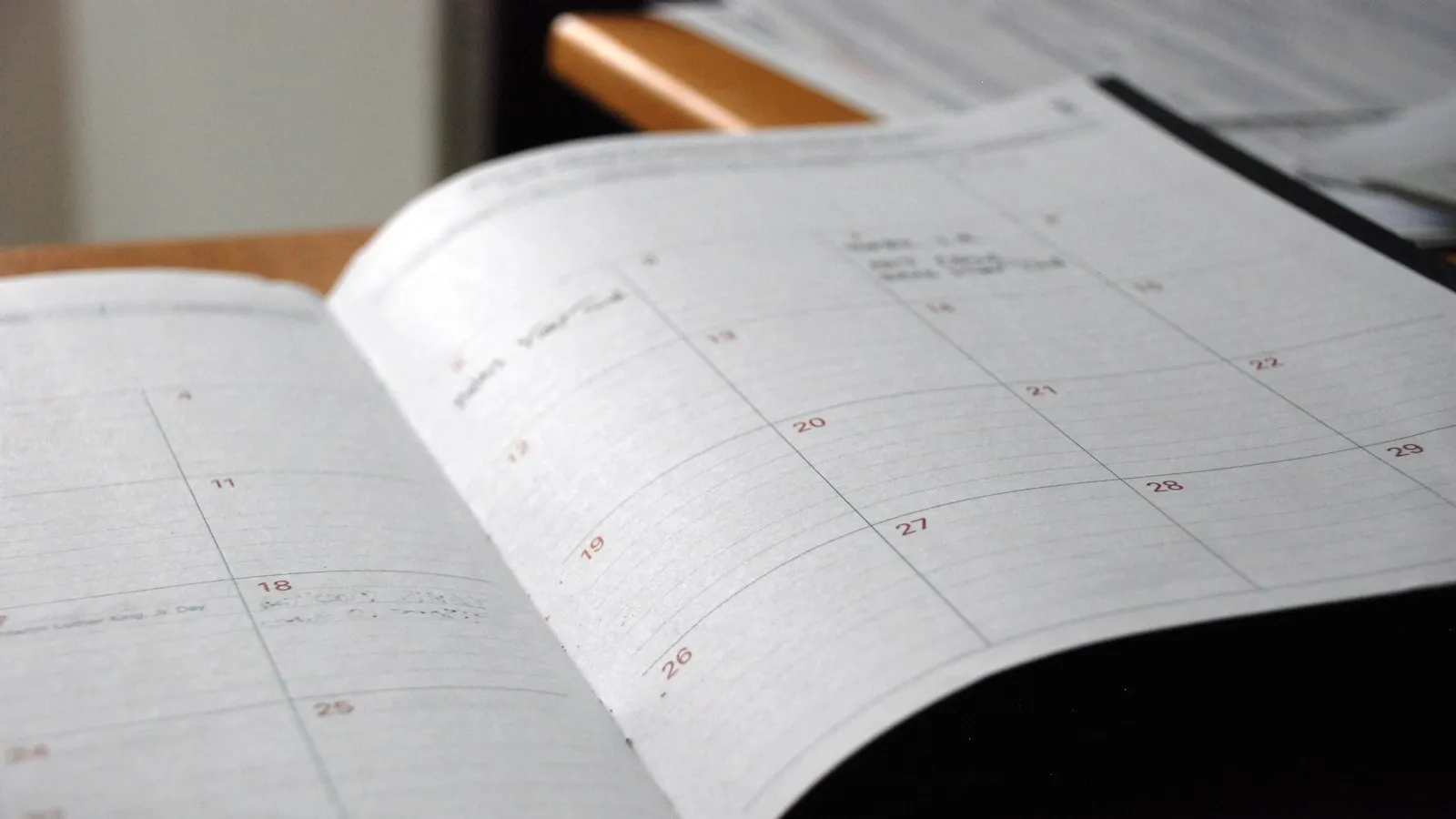
Every year around the end of June I get this weird itch to clean something. Not my house, unfortunately. Usually it’s my money stuff. I think it’s the halfway mark. January’s resolutions are far enough back that I can be honest about them, and December’s still far enough away that there’s time to fix things.
So this weekend I took a coffee out to the back step and did what I’ve started calling my midyear check-in. It’s not fancy. No spreadsheet required, though I won’t judge you if that’s your thing. It’s more like a slow walk back through the last six months with a notebook. My mom would approve.
Whatever I promised myself in January
I started with the goals, mostly because it’s the part I’m most tempted to skip. Back in January I’d said I wanted to put a little money aside each month and stop eating lunch out four days a week. Half of that went great. I’ll let you guess which half.
What I’ve learned, doing this a few years running, is that the point isn’t to grade yourself. It’s to adjust. If a goal hasn’t happened in six months, it probably wasn’t the right goal, or it wasn’t the right size. “Eat out less” became “bring lunch on Tuesdays and Thursdays,” which is so small it’s almost embarrassing, and which I’ll probably actually do.
I think midyear is kinder than New Year’s for this kind of thing. In January everything feels possible, and you end up making promises on behalf of a version of yourself who doesn’t exist. By June you’ve met the real you, the one who orders Thai food every Wednesday, and you can make plans that person might actually keep.
The loose ends
Then came the part I genuinely find satisfying. Every half year leaves a little trail of loose ends behind it. The streaming subscription you meant to cancel in March. The $30 a coworker spotted you for the group birthday gift, which you forgot about until this exact moment of reading this sentence.
I wrote down every one I could think of, no matter how small, and started knocking them out. Some took two minutes. It’s honestly shocking how much lighter it feels to close a bunch of tiny things at once. It reminds me of cleaning out a junk drawer. Nothing in there was a big deal on its own, but together it was making the whole kitchen feel cluttered.
Who I owe, and who owes me
This is the one I’d really encourage. Sit down and get honest about the money between you and the people in your life, in both directions.
Who do I owe? The small stuff is easy to lose track of. A friend covered my share of a dinner in May. My sister paid for our mom’s birthday flowers and I’d said I’d send half. Those are exactly the debts that quietly turn awkward, not because anyone’s upset, but because the longer they sit, the stranger it feels to bring them up yourself. So I paid them. Same afternoon. It felt great, and also a little humbling, since I write about this stuff and still had two of them lying around.
Who owes me? This one’s touchier. I found a couple of open balances, one from a road trip and one a friend had been chipping away at in pieces since spring. And I realized I wasn’t totally sure where that second one stood. Had she paid $150 so far, or $200? I genuinely didn’t know.
That’s where it really helps to have things written down, with partial payments logged as they come in. OweMate does exactly that, keeping one running balance per person and marking it settled when it hits zero, which is about as close to a midyear report card as I’d ever want. A notes app works too. Mostly it just shouldn’t live in your head, because my head, for one, rounds in whichever direction makes me feel more wronged.
For the balances still open, I didn’t fire off reminders to everyone at once. That would’ve felt like a collections sweep. I picked the one that had been sitting longest and sent a friendly note with the amount and what it was for. The other can wait for a more natural moment.
It’s also okay, during a check-in like this, to decide some things are simply done. I had a $25 balance with a friend from last fall that I decided, right there on the step, to let go. I texted her to say so. She sent back a GIF of a cat bowing, which I’m choosing to read as gratitude.
The last part is the easiest to forget. Close the notebook. The whole point of a check-in is that it’s a check-in, not a brand-new standing worry. You look and you adjust, and then you go do something else for a while.
I finished my coffee, which had gone cold about an hour earlier, and went inside to find a text from my sister. “Got your half for mom’s flowers. Who is this and what have you done with the real you?”
The OweMate blog is written by the people who make OweMate, a simple way to keep track of money between friends and family.