Blog
Summer road trips and the question of who paid for gas
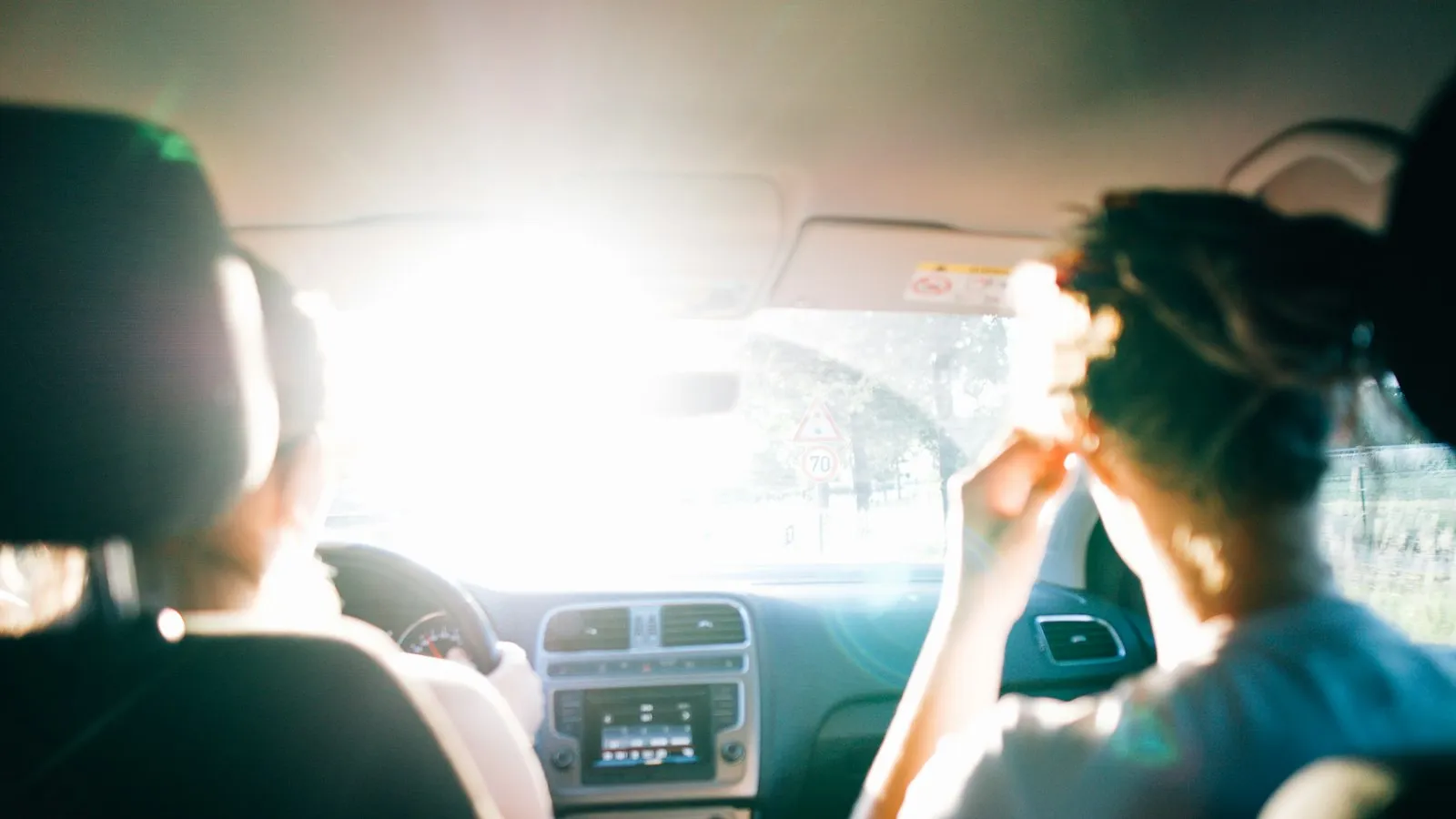
Somewhere outside Amarillo, at a gas station with one working pump and a dog asleep in front of the ice machine, my friend Caleb looked at the receipt in his hand and said, “Wait, did I pay last time too?”
He had. He’d also paid the time before that. I’d been buying snacks, which felt even in the moment but definitely wasn’t, because beef jerky is expensive but it is not forty-dollars-of-gas expensive. We were four days into a drive from Nashville to the Grand Canyon and had absolutely no idea where we stood.
I think that’s how it goes on most road trips. Nobody plans to be unfair. Money just happens in a hundred small, messy moments. You grab gas because you’re the one driving. Someone else grabs lunch because they’re closest to the register. The motel goes on whoever’s card isn’t close to the limit, and somebody pays a $6 parking fee at a scenic overlook and forgets about it instantly. Every one of those choices makes total sense at the time.
The trouble shows up at the end, when you’re tired and sunburned and someone pulls a crumpled wad of receipts out of the glove box. Nobody wants to do an audit at a rest stop.
Evening it out on the way
What finally worked for Caleb and me, starting roughly at the New Mexico line, was to stop trying to keep it perfectly fair and just keep it roughly even as we went. Whoever paid less recently pays next. That’s it. We’d look at each other at the pump, one of us would say “you?” and the other would nod.
It’s a little like taking turns buying rounds at a bar. Nobody counts exactly, but everybody knows if they haven’t bought one in a while.
For bigger stuff, like a motel room or a campground fee, we started settling up right away, usually with a quick Venmo before we’d even unloaded the car. Small stuff can float. Big stuff gets dealt with the same day. That one rule saved us a lot of late-night mental math.
Gas, specifically
Gas is the one that seems to cause the most low-grade tension, I think because it’s tied to a car somebody owns. If it’s your car, you’re also putting miles on it, and that’s a cost nobody sees on a receipt. I’ve always felt it’s fair for passengers to cover a bit more of the gas when it’s someone else’s car, though plenty of people would disagree with me and that’s fine. What matters more is saying how you’re thinking about it before you pull out of the driveway.
Something as simple as “Since we’re taking my car, mind covering gas and I’ll get the motels?” sets the whole tone. It’s way easier to say on day one than on day five, when it starts to sound like an accusation.
Once you’re home
Even if you’ve been evening things out along the way, there’s usually a little leftover imbalance by the time you get back. Maybe someone covered the last two tanks. Maybe a rental deposit came back to one person’s card. It’s normal. Just deal with it while the trip still feels fun, instead of three weeks later when it’s become a Thing.
A friendly text the day after is plenty.
Home safe! By my count I’m up $85 from the trip after the last couple of tanks and the motel in Flagstaff. Send it whenever you’re unpacked, no stress. Best trip.
If you want it to feel even less like a bill, some people like sending a little visual instead of a list of numbers. OweMate can turn a balance into a photo card you can share, which tends to land softer than a spreadsheet screenshot, especially with friends who see a column of numbers and immediately feel scolded.
Caleb and I did make it to the canyon. We stood at the rim at sunset, totally silent and completely wrecked from the drive. Then he leaned over and said, “I’m pretty sure you owe me for the jerky.” I did not. I paid for dinner anyway.
The OweMate blog is written by the people who make OweMate, a simple way to keep track of money between friends and family.