Blog
Borrowing from a friend or putting it on a card?
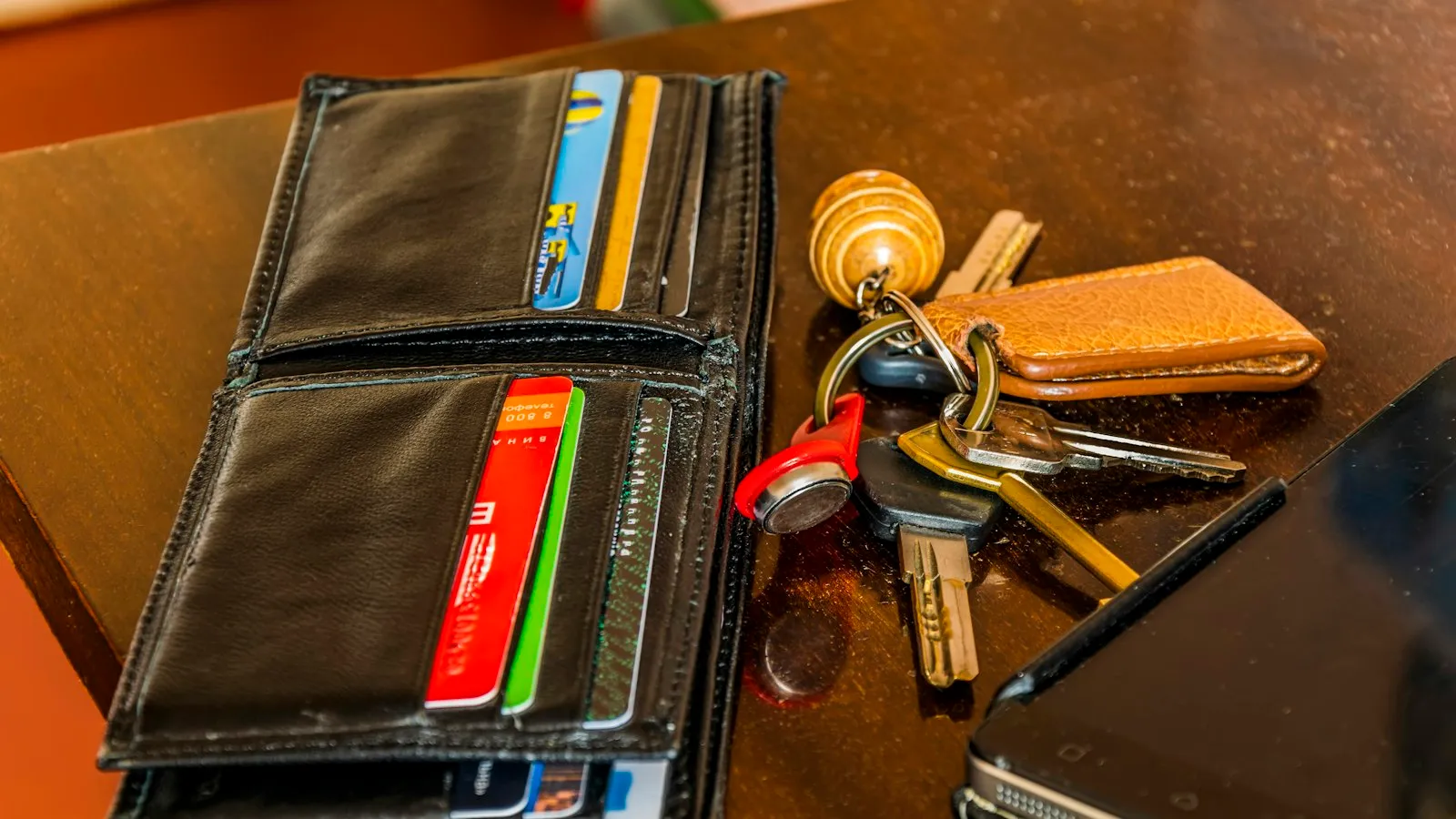
A credit card will never be disappointed in you. That’s probably the best thing about it, and also the thing that makes it a little dangerous.
I’ve been thinking about this since my cousin Nate called a few weeks ago. His transmission went out, with a repair quote around $2,000, and he was deciding between asking his best friend for a loan or just putting the whole thing on a card. He wasn’t asking me for money (thank goodness). He wanted someone to talk it through with.
I’m not going to get into interest rates or which card is better. I’m not qualified, and that’s a conversation for someone who actually knows your finances. What I kept coming back to with Nate was the other side of the decision, the part that doesn’t show up on a statement. There’s a real emotional cost either way, and I think people tend to only count one of them.
What a friend gives you that a card can’t
When you borrow from a friend, you usually get flexibility. If you hit a rough month, you can call and say so, and a decent friend will probably say “don’t worry about it, pay me when you can.” There’s some grace built in. A card company won’t do that. It doesn’t care that your kid got sick or your hours got cut.
There’s something else, too, and it’s harder to put into words. Being helped by someone who knows you can feel really good. It’s a reminder that you’ve got people. I’ve been on the receiving end of a friend loan exactly once, back in my twenties, when a roommate bailed on our lease and my friend Teresa spotted me $600 for rent. I paid it back over about four months, and I still think about how kind she was about it. It made us closer, if anything.
What a card protects you from
The flip side is that a card keeps money out of your relationships. That’s not nothing.
When you owe a friend, the debt kind of sits in the room with you. You see them at a birthday dinner and wonder if ordering the steak looks bad. You post a picture from a weekend away and hope they don’t do math. Maybe they wouldn’t. Maybe they’re totally chill about it. But you’ll probably feel it anyway, because most of us are wired to feel a little guilty when we owe someone we care about.
A card doesn’t watch you order steak. It’s cold and impersonal, which, in this one specific situation, is sort of a feature. Your friendship gets to stay just a friendship.
And if things go badly (if you can’t pay it back for a long time, or at all), the fallout looks really different. With a card, it’s a money problem. With a friend, it’s a money problem and a friendship problem, knotted together in a way that’s hard to untangle. I’ve watched that happen to people I love, and it’s rough.
A couple of questions instead of an answer
When Nate and I talked, I asked him two things that I think helped more than any advice would’ve.
The first was, how would you feel if you couldn’t pay your friend back when you said you would? Not the money part. The feeling. Would you avoid him, or would you be honest? If the answer is “I’d probably ghost him for a while out of embarrassment,” that’s useful information.
The second was, how would your friend feel? Some people really can lend $2,000 without thinking twice. Others would say yes because they love you and then quietly stress about it for months. You probably know which kind your friend is, even if you’ve never talked about it.
Nate went quiet for a bit, and then he said something like, “I think I’d rather owe a bank than owe Danny.” Not because Danny wasn’t generous. Because he was, and Nate didn’t want to put that generosity in a weird spot.
I don’t think there’s a right answer here. For some people, borrowing from a friend is the warmer, more human option, and they’ve got the kind of friendship that can hold it. For others, keeping money and friendship in separate boxes is the kindest thing they can do for both.
Nate ended up doing something else entirely, for what it’s worth. He picked up weekend shifts for a month, and his mechanic let him pay in two chunks. Danny didn’t even hear about it until the car was fixed, and his only reaction was, “Dude, why didn’t you call me?”
Nate didn’t have a great answer for that. He bought him lunch instead.
The OweMate blog is written by the people who make OweMate, a simple way to keep track of money between friends and family.